
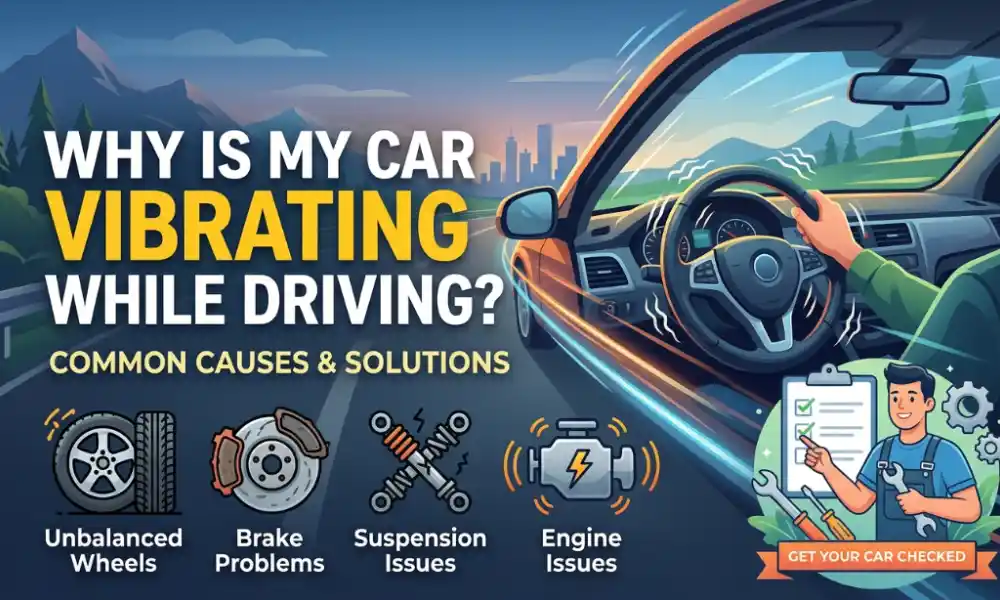
If you’ve ever felt your steering wheel shake, noticed vibrations through the seat, or experienced unusual trembling while driving, you’re not alone. One of the most common concerns among vehicle owners is, “Why is my car vibrating while driving?”
Car vibrations can range from a minor inconvenience to a serious safety concern. In Bahrain, where vehicles are regularly exposed to extreme heat, long commutes, and varying road conditions, vibration issues can develop faster than many drivers realize.
The good news is that vehicle vibrations are often early warning signs of a problem that can be diagnosed and repaired before it becomes expensive. Whether the issue is related to your tires, brakes, suspension, engine, or transmission, understanding the root cause is the first step toward restoring a smooth and safe driving experience.
In this guide, we’ll explore the most common reasons your car may be vibrating while driving, how Bahrain’s climate contributes to these issues, and when it’s time to visit a professional car garage.
Why Is My Car Vibrating While Driving?
Vehicle vibrations can originate from several different systems. The location, speed, and intensity of the vibration often help identify the underlying problem.
Common questions drivers in Bahrain search for include:
- Why does my steering wheel shake while driving?
- Why does my car vibrate at high speeds?
- Why is my car shaking when I accelerate?
- Why does my vehicle vibrate when braking?
- Is it safe to drive a vibrating car?
Let’s examine the most common causes.
Tire Problems: The Most Common Cause of Car Vibrations
Unbalanced Tires
Tire imbalance is one of the leading causes of vehicle vibration.
As tires wear over time, weight distribution can become uneven. This creates vibrations that are usually felt through the steering wheel or vehicle floor.
Signs of Tire Imbalance
- Steering wheel vibration at 80–120 km/h
- Uneven tire wear
- Reduced ride comfort
- Increased fuel consumption
Solution
Professional wheel balancing can quickly resolve the issue and restore smooth driving.
Internal Link Opportunity
If your vehicle experiences tire-related issues, consider scheduling a professional tire inspection through our tire services.
Wheel Alignment Issues
Why Alignment Matters
Wheel alignment affects how your tires contact the road surface. Poor alignment causes the vehicle to pull to one side and often creates noticeable vibrations.
Common Causes
- Potholes
- Hitting curbs
- Worn suspension components
- Road impacts
Symptoms
- Uneven tire wear
- Steering wheel off-center
- Vehicle drifting left or right
- Vibrations at various speeds
Regular wheel alignment checks are essential for drivers in Bahrain, especially those who frequently travel on highways.
Brake System Problems
Vibrations When Braking
If your car only vibrates when you press the brake pedal, the issue is often related to the braking system.
Common Causes
Warped Brake Rotors
Brake rotors can become uneven due to excessive heat and wear.
Worn Brake Components
Damaged brake pads and discs can create shaking or pulsation during braking.
Signs
- Steering wheel shakes while braking
- Brake pedal vibration
- Squealing or grinding noises
Related Reading
For more information, read our guide on Brake Noise When Stopping: Causes and Solutions.
Internal Service Link
Drivers experiencing braking issues should schedule a brake inspection to ensure safe vehicle operation.
Suspension System Problems
What Does the Suspension Do?
The suspension system absorbs shocks and maintains vehicle stability.
When suspension components wear out, vibrations become more noticeable, particularly on rough roads.
Common Suspension Components That Cause Vibrations
- Shock absorbers
- Struts
- Control arms
- Ball joints
- Bushings
Symptoms
- Excessive bouncing
- Vehicle instability
- Uneven tire wear
- Vibrations over bumps
Engine Problems
Why Engine Issues Cause Vibrations
The engine is designed to run smoothly. When internal components malfunction, vibrations can spread throughout the vehicle.
Common Engine-Related Causes
Worn Spark Plugs
Faulty spark plugs can cause engine misfires and rough operation.
Dirty Fuel Injectors
Restricted fuel delivery affects combustion efficiency.
Engine Misfires
Misfires often create noticeable shaking during acceleration or while idling.
Symptoms
- Rough idle
- Reduced power
- Poor fuel economy
- Check engine light
Related Reading
If you notice performance issues, check out our article:
Why Is My Car Losing Power While Driving? Common Reasons and Solutions
Transmission Problems
Car Vibrates While Accelerating
If vibrations become more noticeable during acceleration, the transmission could be responsible.
Common Transmission Issues
- Low transmission fluid
- Worn transmission mounts
- Internal gearbox wear
- Torque converter problems
Signs
- Delayed gear changes
- Jerking during acceleration
- Vibrations under load
Related Reading
Learn more in our guide:
Transmission Repair in Bahrain: Common Problems and Solutions
Internal Service Link
Our transmission repair service provides complete diagnostics and repair solutions for automatic and manual vehicles.
Damaged Engine Mounts
What Are Engine Mounts?
Engine mounts secure the engine and absorb vibrations.
When mounts wear out or crack, engine vibrations transfer directly to the cabin.
Symptoms
- Excessive engine movement
- Vibrations while idling
- Clunking noises
This issue is particularly common in older vehicles.
Driveshaft and CV Joint Problems
Vibrations at Higher Speeds
Damaged driveshafts and worn CV joints can cause significant vibrations while driving.
Signs
- Clicking noises when turning
- Vibration during acceleration
- Shaking at highway speeds
Ignoring these symptoms can lead to costly drivetrain repairs.
Why Bahrain’s Climate Contributes to Vehicle Vibrations
Bahrain’s environmental conditions place additional stress on vehicle components.
Factors Include:
- Extreme summer temperatures
- Continuous AC usage
- Accelerated tire wear
- Increased stress on suspension systems
- Faster deterioration of rubber components
These conditions make routine vehicle inspections especially important.
Is It Safe to Drive a Car That Is Vibrating?
The answer depends on the cause.
Minor tire-balance issues may not be immediately dangerous, but vibrations from brake failures, suspension damage, or drivetrain problems can compromise vehicle safety.
You should seek professional inspection if:
- Vibrations worsen over time
- Steering becomes difficult
- The vehicle pulls to one side
- Warning lights appear
- Unusual noises accompany the vibration
How Professionals Diagnose Vehicle Vibrations
A professional inspection typically includes:
Tire and Wheel Inspection
Checking balance, alignment, and tire condition.
Brake System Inspection
Examining rotors, pads, and calipers.
Suspension Evaluation
Inspecting shocks, struts, bushings, and joints.
Engine Diagnostics
Scanning for fault codes and performance issues.
Transmission Assessment
Checking fluid condition and transmission performance.
Professional diagnostics help identify the exact source of vibration and prevent unnecessary repairs.
Preventing Vehicle Vibrations
The best way to avoid vibration-related issues is through routine maintenance.
Maintenance Tips
- Rotate tires regularly
- Check wheel alignment annually
- Replace worn brake components
- Follow scheduled servicing intervals
- Inspect suspension components periodically
- Address warning signs immediately
Related Reading
To keep your vehicle running smoothly, read:
How Often Should You Service Your Car in Bahrain?
Frequently Asked Questions
Why does my steering wheel shake while driving?
This is commonly caused by unbalanced tires, wheel alignment issues, or brake problems.
Why does my car vibrate when accelerating?
Transmission issues, engine misfires, worn engine mounts, or drivetrain problems are common causes.
Can bad tires cause vibration?
Yes. Uneven tire wear, tire damage, and imbalance are among the most common causes of vehicle vibration.
Is wheel alignment responsible for vibrations?
Poor alignment can contribute to vibrations and uneven tire wear, especially at higher speeds.
Should I ignore minor vibrations?
No. Small vibrations often indicate developing mechanical issues that can worsen over time.
Conclusion
If you’re asking, “Why is my car vibrating while driving?”, the answer could range from simple tire balancing issues to more serious engine, suspension, or transmission problems. The key is to identify the source early, before it affects safety, performance, or repair costs.
For drivers in Bahrain, routine maintenance and professional inspections are essential due to the region’s demanding climate and driving conditions.
Whether the issue originates from your tires, brakes, suspension, engine, or transmission, addressing it promptly ensures a safer, smoother, and more comfortable driving experience.
Need Professional Vehicle Diagnostics in Bahrain?
If your car is vibrating while driving, don’t wait for the problem to get worse. Our experienced technicians can identify the cause and provide reliable repair solutions.
Contact My Mechanic GCC today for professional vehicle diagnostics, tire services, brake repairs, transmission inspections, and complete automotive maintenance in Bahrain.